Should Children Be Told About A Relative’s Dementia?
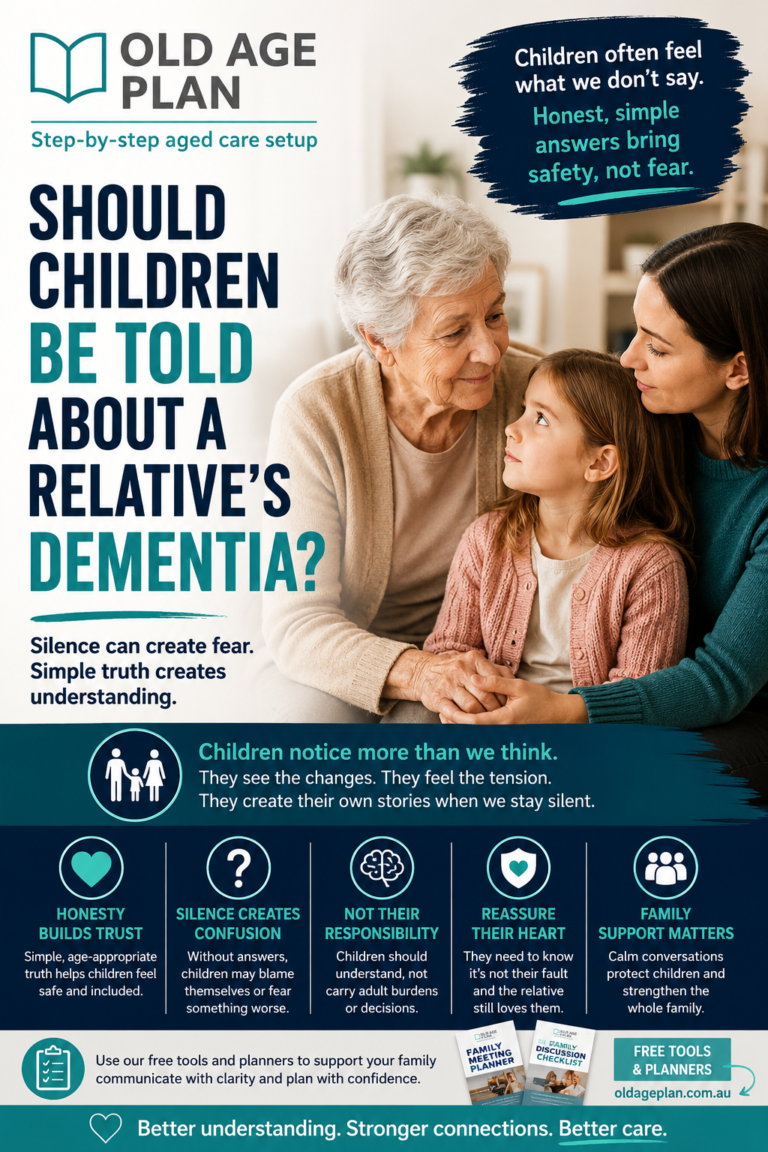
Should children be told about a relative’s dementia? Learn why silence can create fear, how honest conversations reduce confusion, and how families can support children through change.

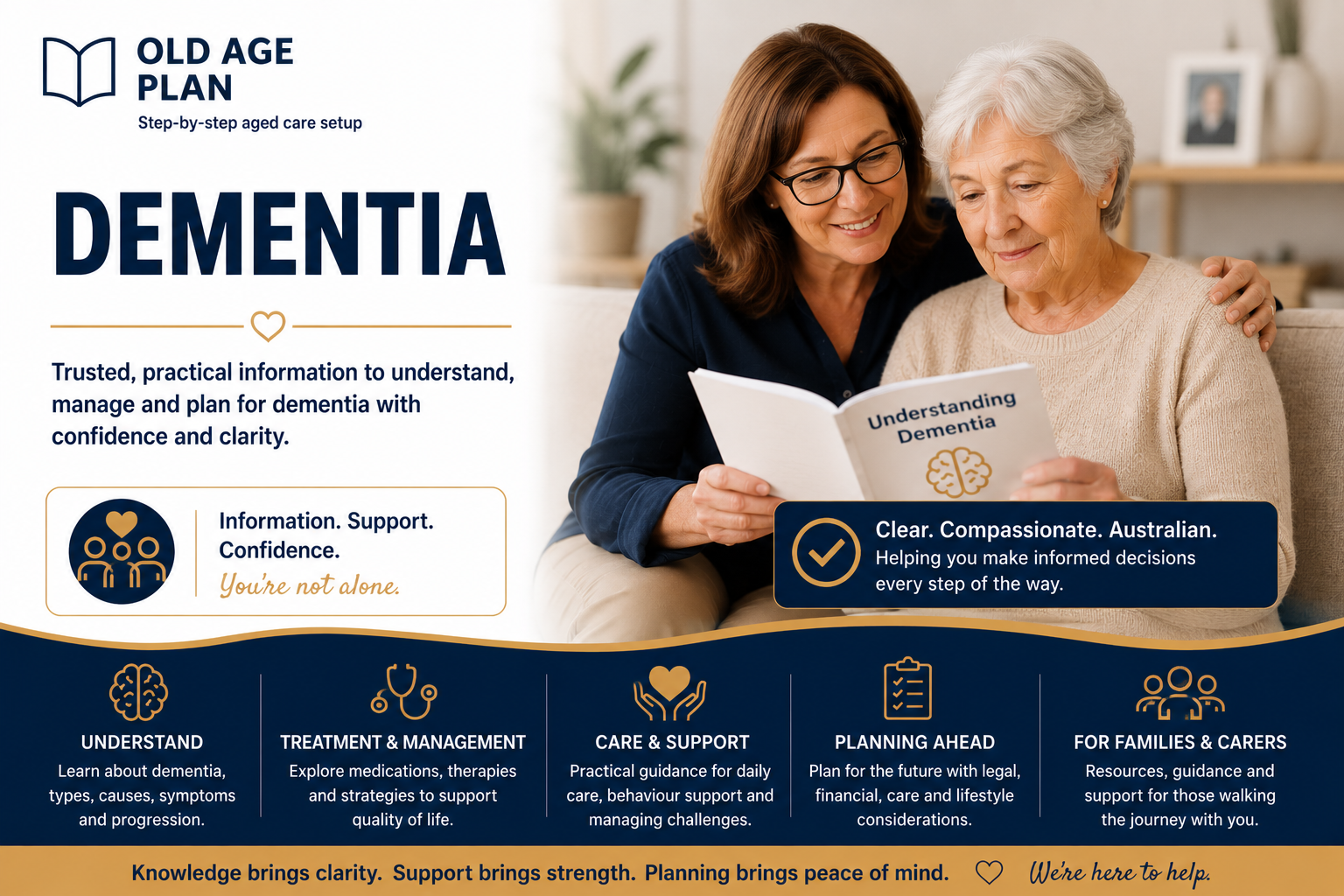
The Dementia category is Old Age Plan’s central knowledge hub for understanding dementia, recognising symptoms, navigating diagnosis, exploring treatment options, planning future care and supporting people living with dementia. It brings together practical, evidence-based information to help Australian individuals, families and carers make informed decisions throughout every stage of the dementia journey.
This category includes guidance on understanding different types of dementia, early signs and cognitive changes, diagnosis and assessment, treatment and symptom management, communication, risk reduction, daily care, planning ahead and accessing aged care support. Each subcategory explores a specific aspect of dementia while contributing to a complete, structured library of information designed to answer the questions families commonly face.
Whether you’re seeking information after a recent diagnosis, supporting someone living with dementia or planning for future care needs, this category provides a trusted starting point to explore the full range of dementia topics through clear, practical and Australian-focused guidance.
Should children be told about a relative’s dementia? Learn why silence can create fear, how honest conversations reduce confusion, and how families can support children through change.

What should you not say to someone with dementia? Learn which phrases can increase shame, confusion and distress, and how better communication can protect dignity and trust.
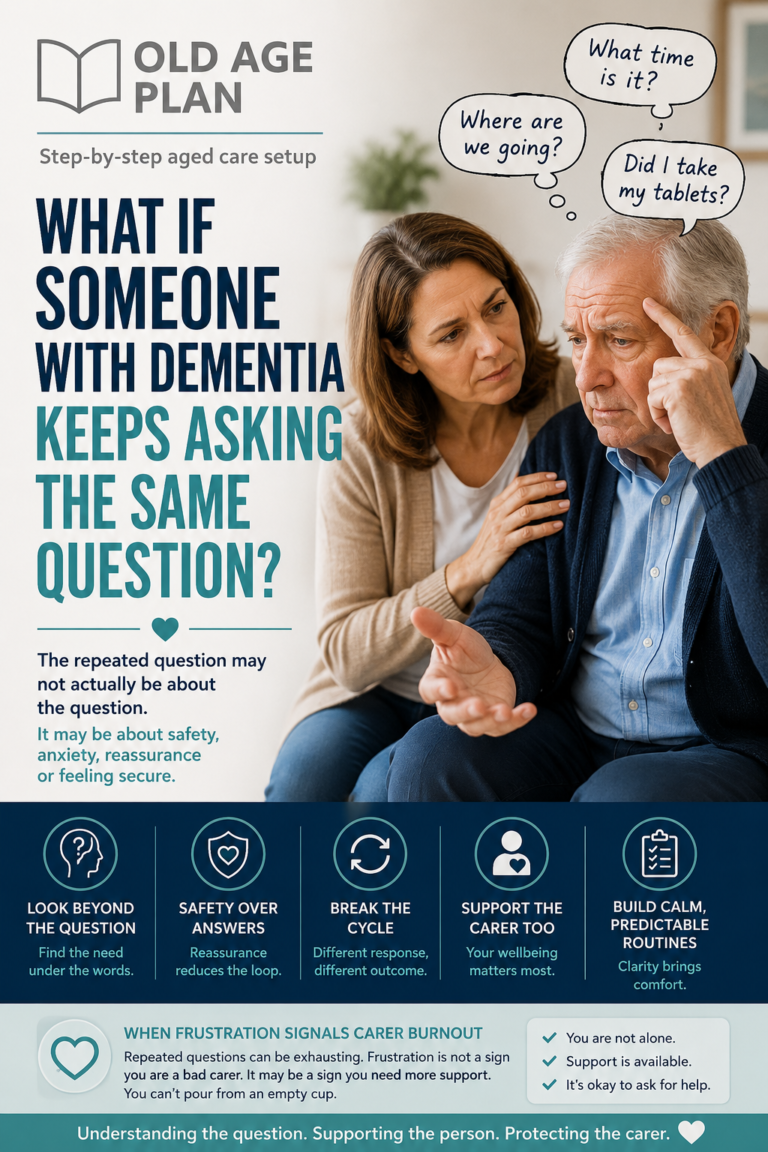
What if someone with dementia keeps asking the same question? Learn why repeated questions may signal anxiety or safety needs, and how carers can respond without burnout.

Should family hide a dementia diagnosis? Learn when protecting someone may help, when secrecy becomes harmful, and how to balance truth, dignity and decision-making during difficult family conversations.
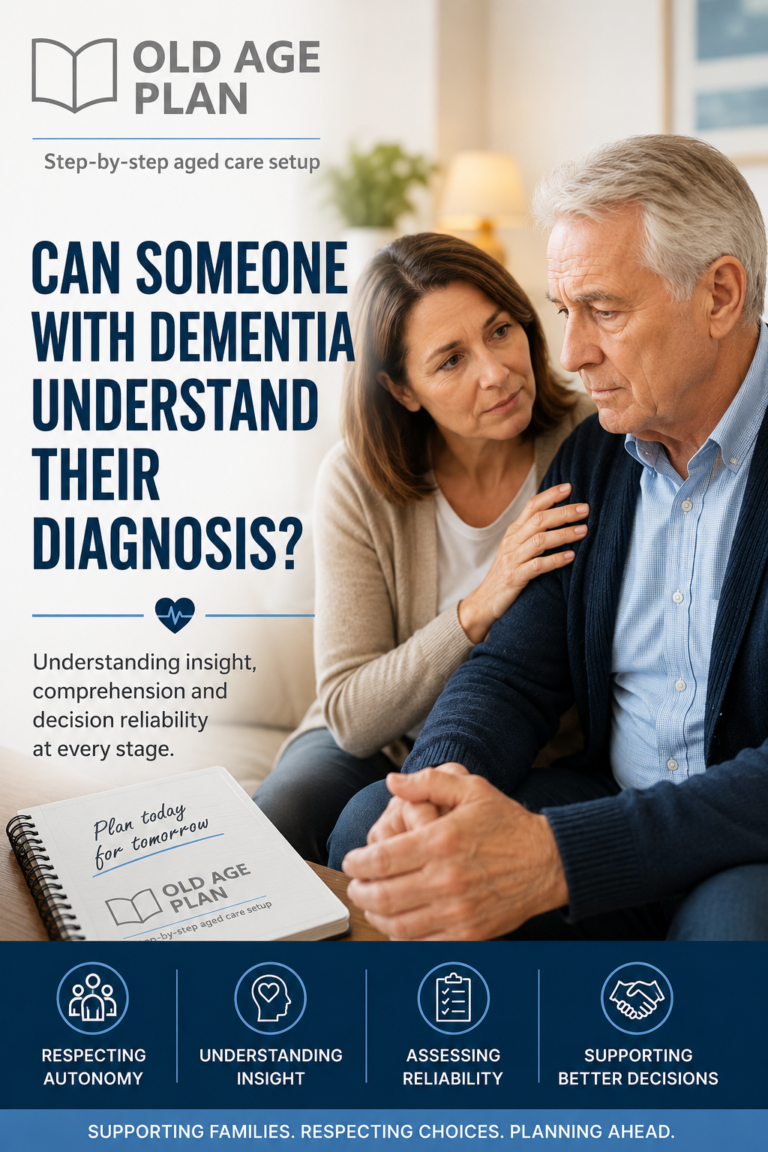
Can someone with dementia understand their diagnosis? Learn why understanding is not binary, how memory affects disclosure, and when decision reliability matters most.
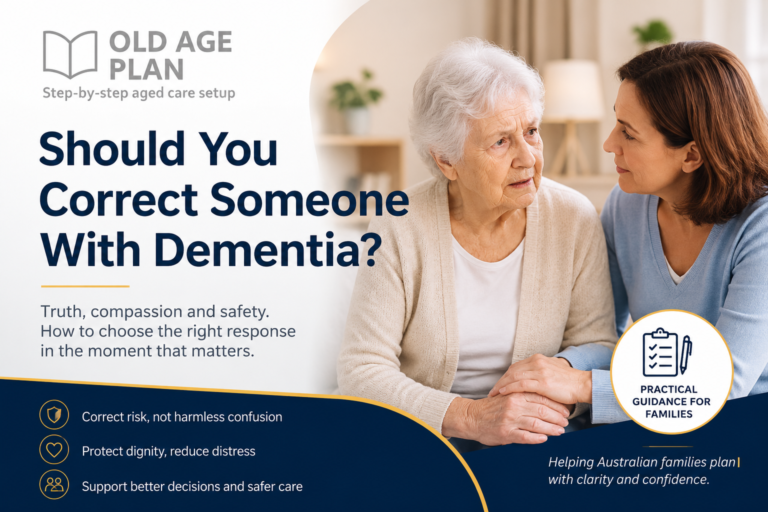
Should you correct someone with dementia when they say something untrue? Learn when correction protects safety, when reassurance reduces distress, and how families can balance truth, dignity and autonomy during difficult conversations.
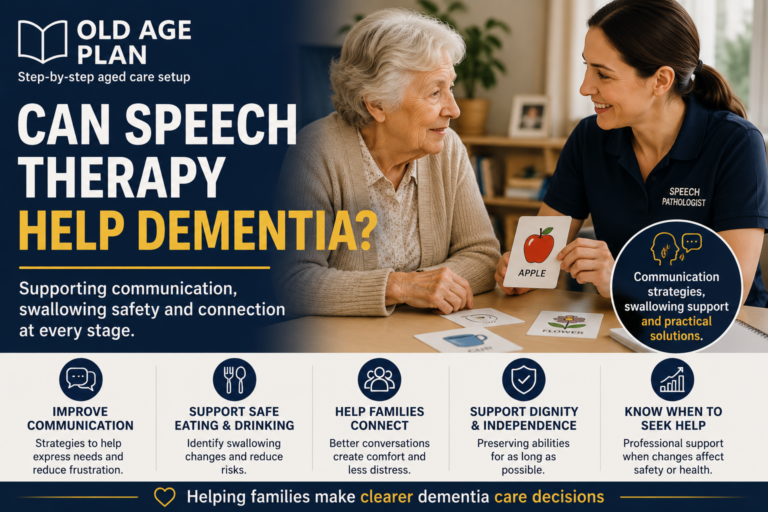
Can speech therapy help dementia? Learn how speech therapy may support communication, swallowing safety and daily care as dementia progresses.
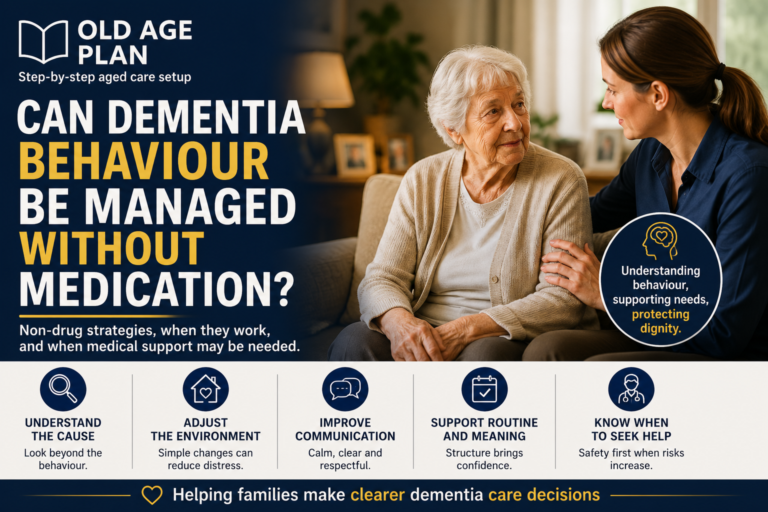
Can dementia behaviour be managed without medication? Learn when non-drug strategies may help, what behaviour may be communicating and when medical support may be needed.
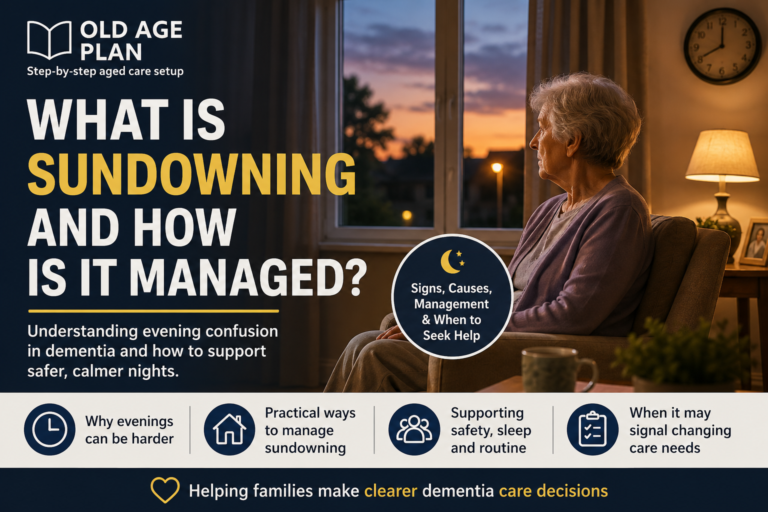
What is sundowning and how is it managed? Learn why confusion and agitation may worsen in the evening, what may trigger it and when care needs may be changing.
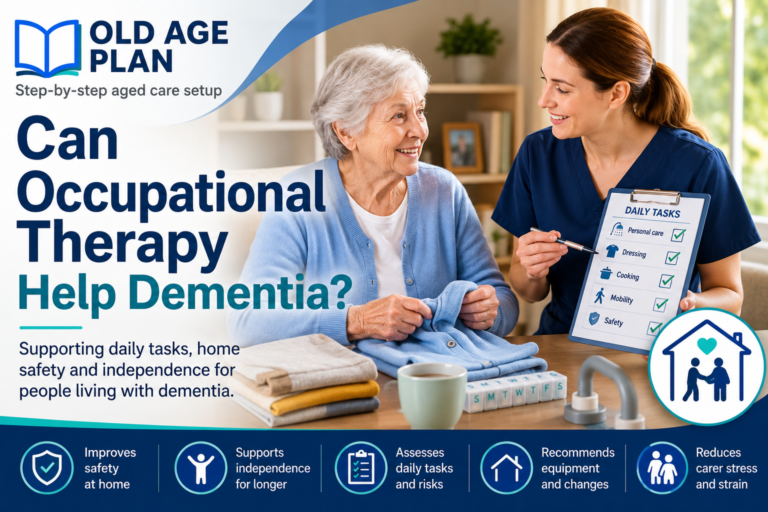
Can occupational therapy help dementia? Learn how occupational therapy supports daily tasks, home safety and independence, and when functional decline may signal changing care needs.