What Questions Are Asked During A Memory Assessment?
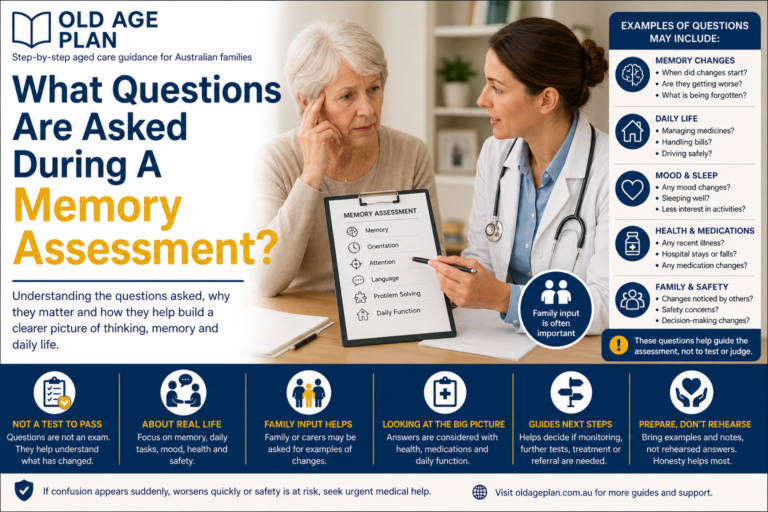
What questions are asked during a memory assessment? Learn what doctors may ask, why family input matters and how to prepare for the appointment.

Cognitive changes can occur for many reasons, and recognising the difference between normal ageing, mild cognitive impairment, delirium and dementia is often one of the first challenges families face. This category explains the early signs of cognitive change, when further assessment may be appropriate, and how to begin understanding what those changes could mean.
Articles in this category explore memory problems, confusion, language difficulties, changes in thinking, behaviour and daily functioning, along with the assessment process used by doctors and healthcare professionals. You’ll also find guidance on cognitive screening, common assessment questions, medical appointments, and the steps involved in investigating possible dementia or other causes of cognitive decline.
Whether you are concerned about your own memory or supporting a family member, these practical guides help you recognise early warning signs, prepare for assessments and make informed decisions as you move through the early stages of the diagnostic journey.
What questions are asked during a memory assessment? Learn what doctors may ask, why family input matters and how to prepare for the appointment.
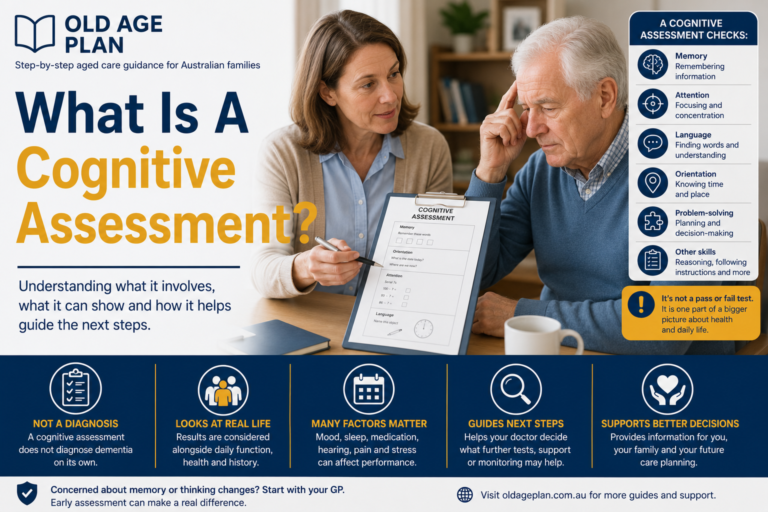
What is a cognitive assessment? Learn what happens during a cognitive assessment, what skills are tested and what the results may mean.
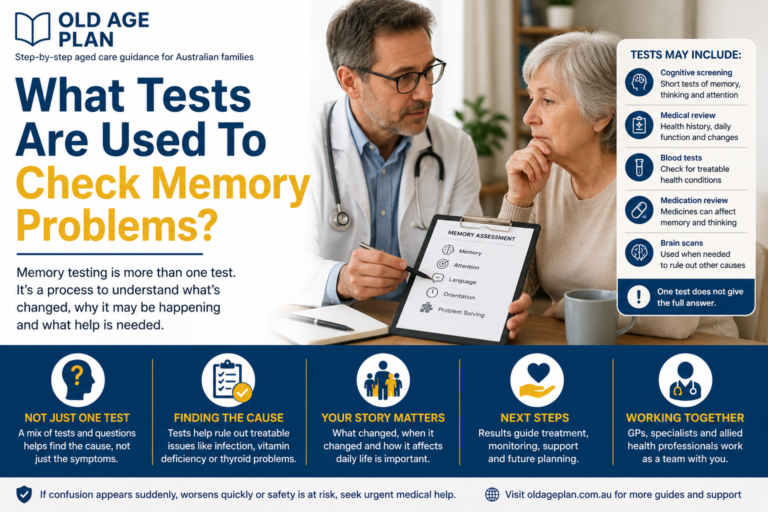
What tests are used to check memory problems? Learn what happens during memory assessment and how doctors investigate possible causes of memory changes.
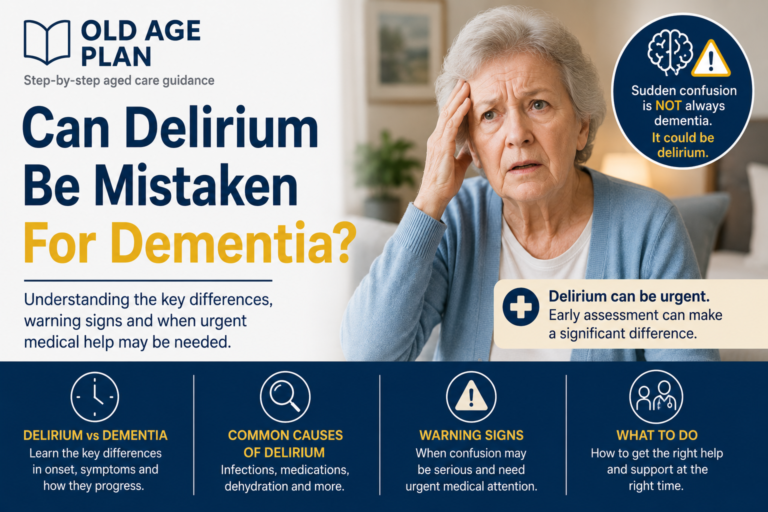
Can delirium be mistaken for dementia? Learn the key differences, why sudden confusion matters and when urgent medical assessment may be needed.
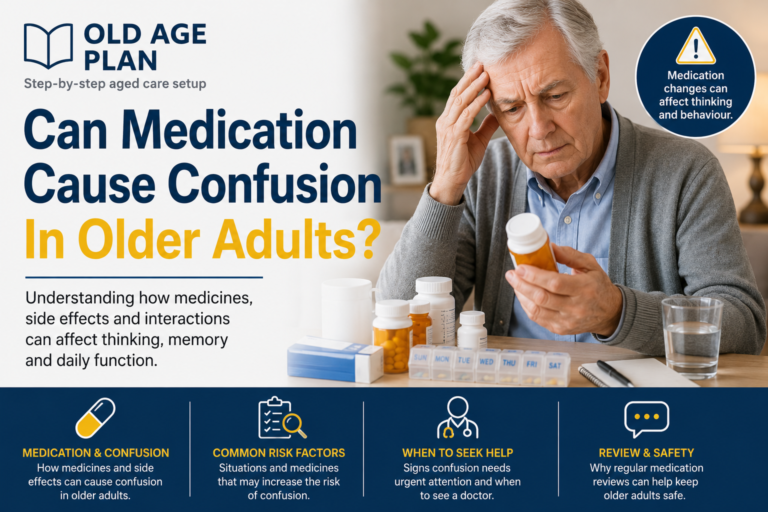
Can medication cause confusion in older adults? Learn how medicines may affect memory and thinking, when confusion may be serious and when to seek help.
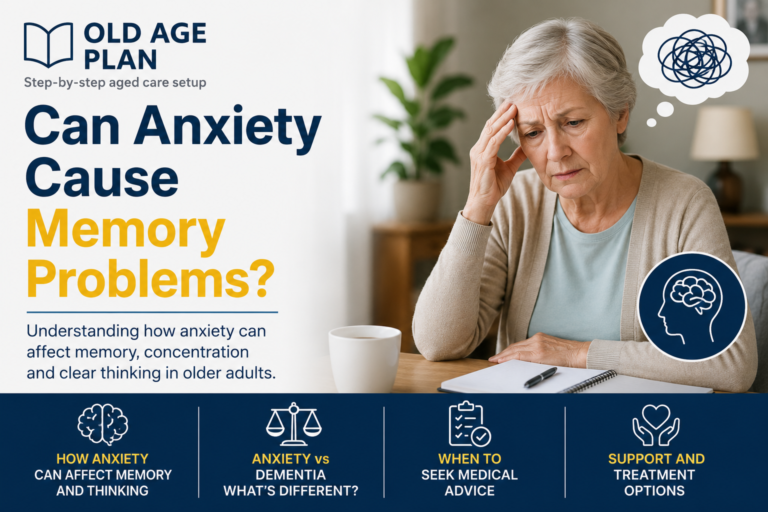
Can anxiety cause memory problems? Learn how anxiety may affect memory and concentration in older adults, how it differs from dementia and when to seek help.

Can depression cause dementia-like symptoms? Learn how depression can affect memory and thinking, how it differs from dementia and when to seek medical advice.
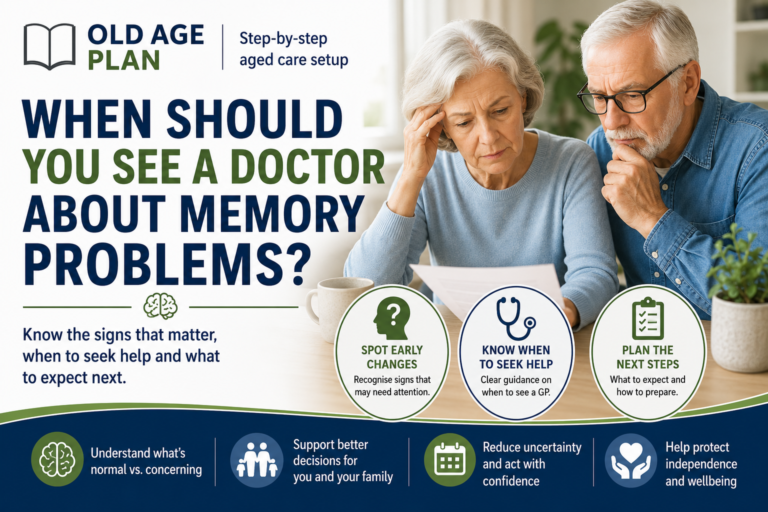
When should you see a doctor about memory problems? Learn which warning signs matter, when to seek help and what to expect at a medical assessment.
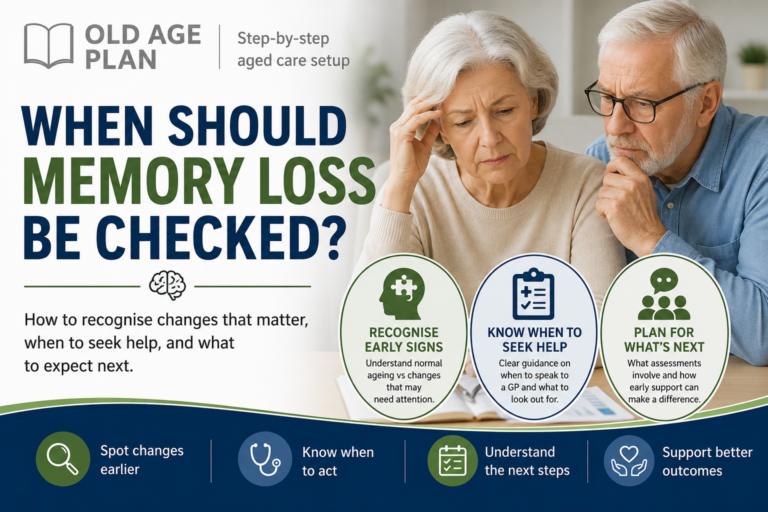
When should memory loss be checked? Learn which memory changes may be normal ageing, which may need assessment and when to seek medical advice.
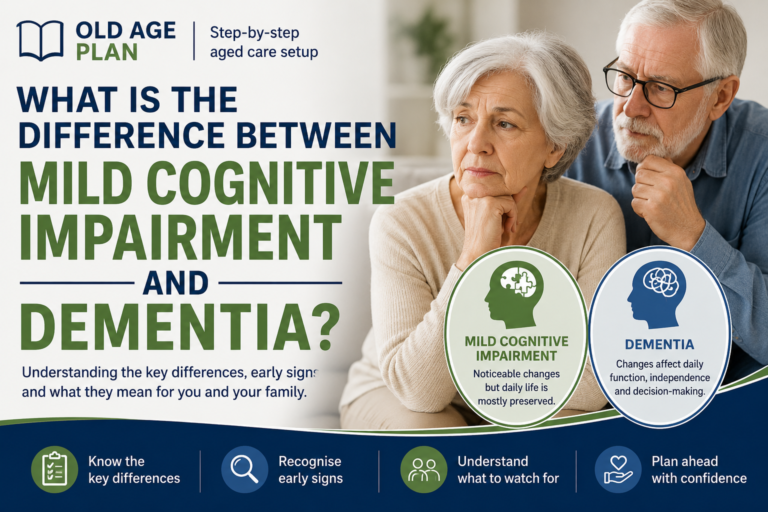
What is the difference between mild cognitive impairment and dementia? Learn how daily function, independence and decision-making help distinguish the two.