

What Happens If You Don’t Have An Estate Plan?
Many people delay estate planning because they believe there is plenty of time or because they assume their family will know what to do.
However, when important documents and arrangements are not in place, loved ones may face additional stress, uncertainty and difficult decisions during already challenging circumstances.
Estate planning helps create a clearer framework for the future.
What Is An Estate Plan?
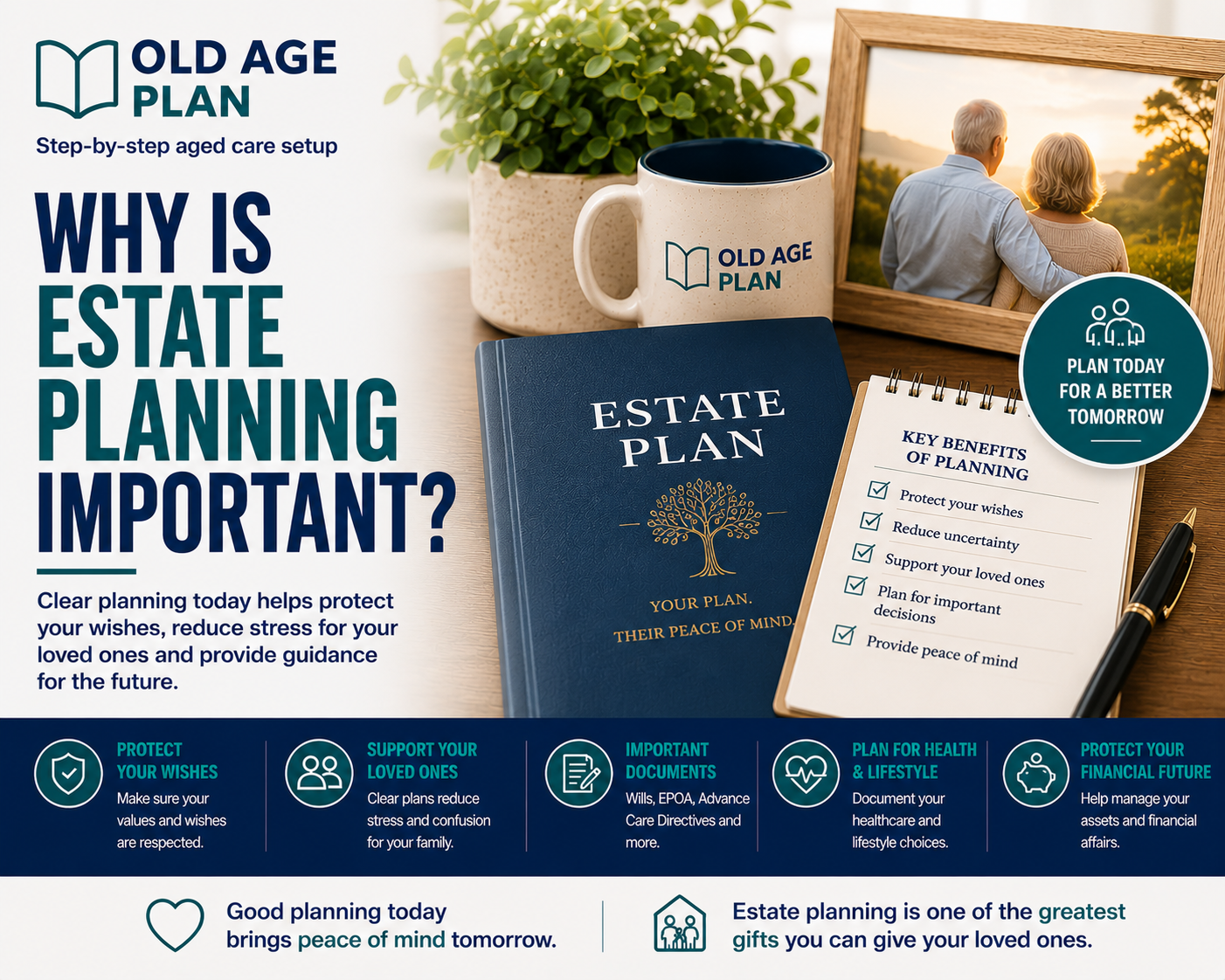
An estate plan may include documents such as a Will, Enduring Power of Attorney, Advance Care Directive, Enduring Guardianship arrangements, superannuation beneficiary nominations and important financial records.
Together, these documents can help communicate your wishes and provide guidance if you become unable to make decisions or after you die.
What Happens If There Is No Will?
If a person dies without a valid Will, the distribution of their estate may be determined according to the laws that apply in their state or territory.
This is commonly referred to as dying intestate.
The outcome may not reflect what the person would have wanted.
What Happens If There Is No Enduring Power Of Attorney?
If someone loses decision-making capacity and has not appointed an attorney, there may be uncertainty about who can make certain financial or legal decisions on their behalf.
The available options depend on the laws that apply in the relevant jurisdiction.
What Happens If There Is No Advance Care Directive?
If health care wishes have never been documented, family members and health professionals may have limited guidance regarding future treatment preferences.
This can place additional emotional pressure on loved ones during difficult situations.
What About Superannuation?
Many people assume their Will automatically controls their superannuation.
However, superannuation may be dealt with according to fund rules, beneficiary nominations and legal requirements.
Without clear arrangements, questions may arise about who should receive death benefits.
Families May Face More Stress
One of the biggest consequences of not having an estate plan is uncertainty.
When wishes are not documented, family members may be left trying to determine what decisions should be made.
This can increase stress, confusion and the potential for disagreement.
A Real-Life Example
Imagine a retired parent becomes seriously ill and can no longer communicate their wishes.
There is no Enduring Power of Attorney, no Advance Care Directive and no clear record of important financial information.
Family members must make important decisions while trying to work out what their loved one would have wanted.
An estate plan may have provided greater clarity and guidance.
Estate Planning Is About More Than Assets
Many people associate estate planning with money and property.
However, estate planning can also involve future health care decisions, personal wishes, legal arrangements and reducing the burden on loved ones.
It is often as much about protecting people as it is about protecting assets.
Can Estate Planning Be Started Later?
Yes.
Many people begin estate planning after marriage, retirement, health changes or when considering aged care options.
However, unexpected events can happen at any stage of life, which is why many people choose to plan earlier rather than later.
Do The Rules Differ Across Australia?
Yes.
Estate planning laws, succession laws, attorney arrangements and health decision-making frameworks vary between Australian states and territories.
It is important to understand the requirements that apply where you live and seek professional advice where appropriate.
Frequently Asked Questions
What happens if I don’t have an estate plan?
Your wishes may not be clearly documented and family members may face additional uncertainty when important decisions need to be made.
What happens if I die without a Will?
Your estate may be distributed according to the laws that apply in your state or territory.
Do I need more than a Will?
Many estate plans include additional documents such as Enduring Powers of Attorney, Advance Care Directives and superannuation beneficiary nominations.
Can estate planning reduce stress for families?
Many people believe clear planning can help reduce uncertainty and provide guidance during difficult situations.
Is it too late to start estate planning?
Many people begin estate planning later in life, but planning earlier may provide greater certainty if unexpected events occur.
Sources and Additional Information
Related Resources
- What Is Estate Planning?
- Why Is Estate Planning Important?
- What Documents Are Included In Estate Planning?
- What Is A Will?
- What Is An Enduring Power Of Attorney?
- What Is An Advance Care Directive?
- Free Aged Care Tools
Disclaimer: This article provides general information only and does not constitute legal, financial or professional advice. Estate planning requirements vary between Australian states and territories.