Category Getting Started

Old Age Plan Getting Started category cover

The Getting Started category is designed for people taking their first steps into the Australian aged care system. It brings together practical guidance to help individuals and families understand where to begin, what decisions need to be made first and how to build a clear foundation before moving into more complex aged care topics.

Articles in this category explain the early stages of the aged care journey, including understanding how the system works, recognising when extra support may be needed, preparing for initial conversations, identifying common pathways and avoiding the mistakes families often make when they start searching for help. The category focuses on building confidence and understanding before progressing to assessments, in-home support, residential care or future planning.

Whether you’re planning ahead for yourself or helping a parent, partner or other loved one, this category provides Australian-focused guidance to help you make informed first decisions and navigate the aged care journey with greater clarity and confidence.

What To Do When A Parent Refuses In-Home Care

An adult daughter talking gently with her father at a kitchen table when a parent refuses in-home care.

When an ageing parent refuses in-home care, forcing immediate help can heighten resistance. Learn how to reframe conversations around preserving independence, introduce low-threat domestic assistance, and involve trusted healthcare professionals. Discover practical steps to balance your loved one's dignity of risk with essential safety, while protecting your own emotional wellbeing as a family carer.


Questions To Ask Before Discharge For An Ageing Parent

An adult daughter sits with her elderly father reviewing key questions to ask before discharge from hospital.

Preparing an ageing parent to leave hospital can feel daunting when decisions happen fast. Knowing the essential questions to ask before discharge helps your family evaluate mobility, medication updates, home safety equipment, and in-home support services. This guide ensures your mum or dad receives adequate care and transitional support rather than facing an unsafe, rushed return home.

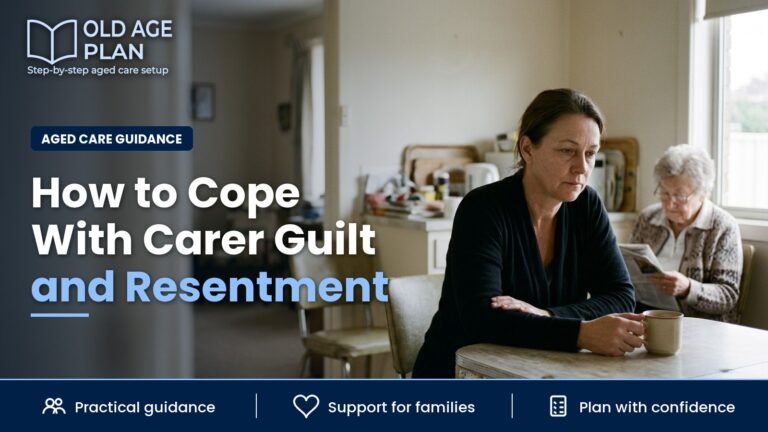
How to Cope With Carer Guilt and Resentment

An adult daughter taking a quiet moment at a kitchen table while managing carer guilt and resentment.

Caring for an ageing parent often brings intense emotional pressure, leaving many family members overwhelmed. Feeling carer guilt and resentment does not mean you lack compassion or love; it signals that your workload has exceeded your capacity. Understanding these feelings helps you reset healthy boundaries, share responsibilities with family, and access formal aged care services.