POA vs EPOA: What’s The Difference?

Understand the key differences between a Power of Attorney and an Enduring Power of Attorney, including when each document may be used.


Enduring Power Of Attorney is the central knowledge archive for understanding how someone can legally appoint another person to manage financial and property decisions if they lose decision-making capacity. This category provides practical Australian guidance to help individuals and families understand the purpose, responsibilities and legal requirements of an Enduring Power Of Attorney.
The archive covers topics including what an Enduring Power Of Attorney is, who can be appointed, when it begins, the powers and responsibilities of an attorney, state and territory differences, changing or revoking an appointment, common mistakes and how this important legal document supports future planning.
Whether you are planning ahead for yourself or helping a loved one prepare for the future, this category provides trusted information to help you understand Enduring Power Of Attorney and confidently navigate this important part of legal and aged care planning.
Understand the key differences between a Power of Attorney and an Enduring Power of Attorney, including when each document may be used.
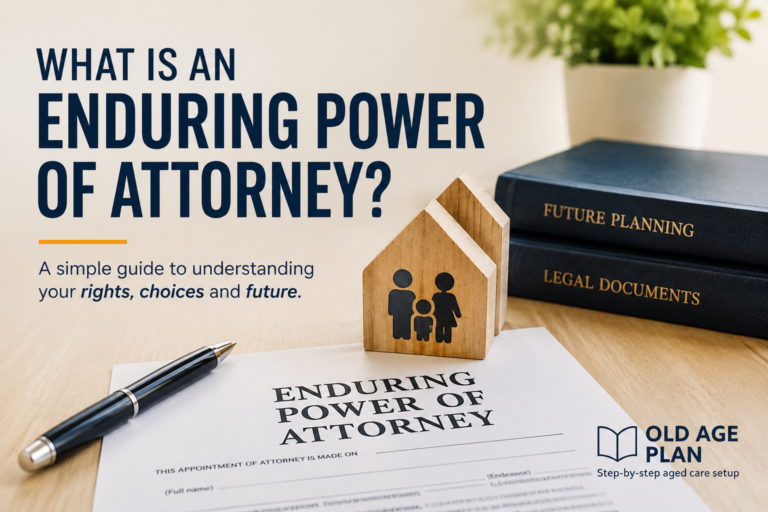
Learn what an Enduring Power of Attorney (EPOA) is, how it works, who should have one and why it is an important part of future planning in Australia.