
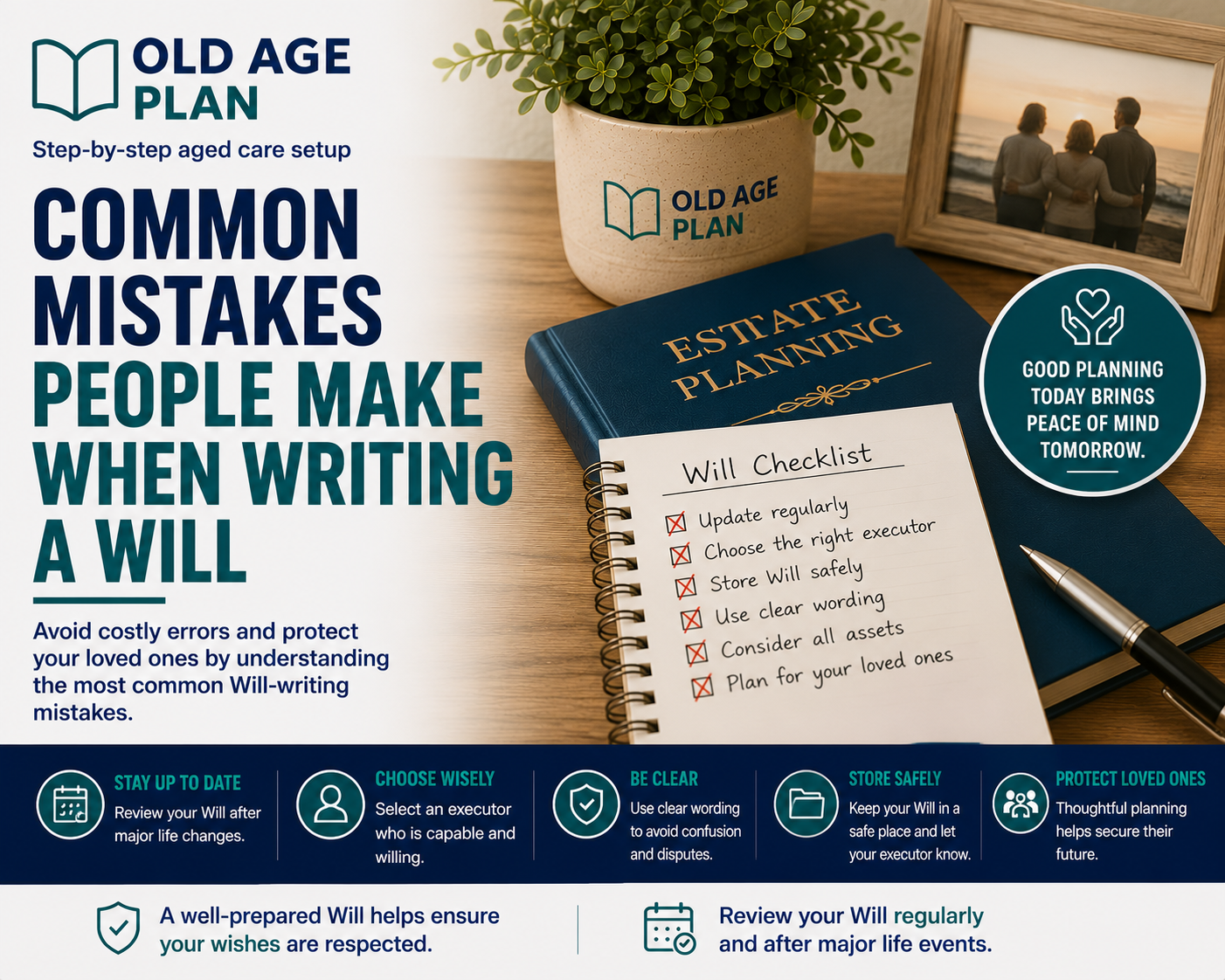

Common Mistakes People Make When Writing A Will
Creating a Will is one of the most important estate planning steps a person can take.
However, mistakes can happen when preparing, updating or storing a Will.
Some mistakes may create confusion, delays or disputes for loved ones after death.
Understanding common pitfalls can help people make more informed decisions when planning their estate.
1. Waiting Too Long To Create A Will
Many people assume they have plenty of time to organise their affairs.
Unfortunately, unexpected events can happen at any stage of life.
Creating a Will early allows your wishes to be documented before a crisis occurs.
2. Failing To Update A Will
A Will should not be viewed as a document that is written once and never reviewed again.
Marriage, divorce, children, grandchildren, retirement and major financial changes may all affect your estate planning needs.
An outdated Will may no longer reflect your wishes.
3. Choosing The Wrong Executor
An executor may have significant responsibilities during estate administration.
Choosing someone who is unwilling, unable or unsuitable for the role can create difficulties later.
It is important to carefully consider who should be appointed.
4. Not Understanding Legal Requirements
Wills generally need to meet certain legal requirements relating to signing, witnessing and capacity.
Failing to meet these requirements may create uncertainty about whether the document is valid.
The rules vary between Australian states and territories.
5. Using Unclear Language
Ambiguous wording can create confusion and disagreements.
The clearer your wishes are documented, the easier it may be for your executor and family members to understand your intentions.
6. Forgetting About Certain Assets
People sometimes focus on major assets while overlooking other important items.
Personal possessions, investments, business interests and other assets may also need consideration during estate planning.
7. Not Considering Family Circumstances
Blended families, dependent children, family businesses and complex relationships can create additional planning considerations.
Ignoring these factors may increase the risk of misunderstandings or disputes.
8. Storing The Will Poorly
A Will can only help your loved ones if it can be located when needed.
If the original document is lost, damaged or impossible to find, it may create delays and additional stress.
Your executor should generally know where the Will is stored.
9. Assuming A Will Covers Everything
Estate planning often involves more than just a Will.
Documents such as Enduring Powers of Attorney, Advance Care Directives, superannuation beneficiary nominations and insurance arrangements may also be important.
10. Not Seeking Advice When Needed
Some situations are straightforward, while others involve significant complexity.
Where family circumstances, assets or estate planning goals are more complicated, professional advice may help identify issues that could otherwise be overlooked.
A Real-Life Example
Imagine a man creates a Will when his children are young.
Over the next twenty years he divorces, remarries, acquires new assets and becomes a grandfather.
Because he never reviews the document, the Will no longer reflects his circumstances.
A simple review could have helped ensure his wishes remained current.
Frequently Asked Questions
What is the most common mistake when writing a Will?
One of the most common mistakes is failing to review and update a Will after major life events.
Can an outdated Will create problems?
Yes. An outdated Will may no longer reflect a person’s wishes or family circumstances.
Why is choosing the right executor important?
An executor may have significant responsibilities, making the choice an important estate planning decision.
Should I tell someone where my Will is stored?
Many people choose to ensure their executor knows where the original Will can be located.
Does a Will cover all estate planning needs?
Not necessarily. Other documents and arrangements may also form part of a broader estate planning strategy.
Sources and Additional Information
Related Resources
- What Is A Will?
- What Makes A Will Valid?
- Can I Change My Will?
- Where Should You Store Your Will?
- Do I Need A Lawyer To Make A Will?
- Free Aged Care Tools
Disclaimer: This article provides general information only and does not constitute legal, financial or professional advice. Laws vary between Australian states and territories.
Great post! I found the information really helpful and easy to understand. Thanks for sharing these useful insights.
For more related information and helpful topics,